
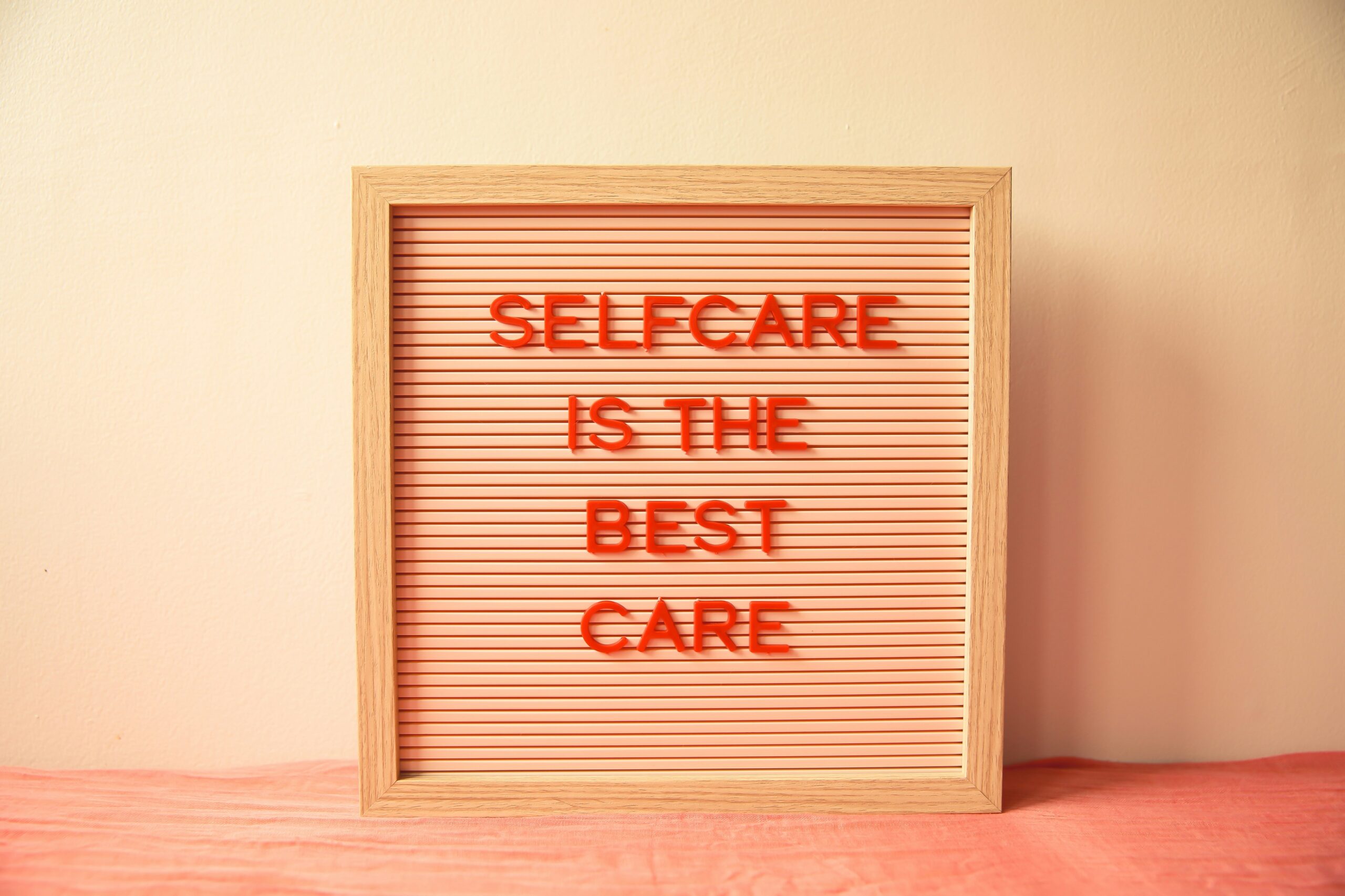
Self-Care Habits That Improve Your Mental Health
In today’s fast-paced world, prioritizing your emotional well-being is more important than ever. Developing self-care habits that improve mental health can help reduce stress, increase emotional resilience, and bring more balance into your life. Self-care is not selfish—it’s essential. When you consistently take time to care for your mind and body, you build a stronger foundation for happiness, productivity, and personal growth.
Luckily, self-care doesn’t have to be complicated. Small, intentional habits practiced daily can create a powerful shift in how you feel mentally and emotionally.
Below are some of the most effective self-care habits that improve mental health, along with helpful tools and products that can make these routines easier to maintain.
This site contains affiliate links. View the disclosure for more information.
Self-Care Habits That Improve Your Mental Health
1. Start Your Day With Mindful Morning Rituals
How you begin your morning often sets the tone for the rest of the day. Instead of immediately reaching for your phone or diving into responsibilities, create a morning routine that nurtures your mental clarity.
Simple activities like stretching, journaling, meditation, or reading something inspirational can help you start the day feeling centered and calm.
One helpful tool for building a mindful morning routine is a guided journal. Journaling allows you to release anxious thoughts, express gratitude, and set positive intentions for the day. Many people find that using a structured journal, such as the Five Minute Journal, makes the process easier and more consistent.
Pairing journaling with a calming beverage such as herbal tea can also turn your mornings into a peaceful ritual that supports emotional wellness.
2. Prioritize Restful Sleep
Sleep and mental health are deeply connected. When you don’t get enough rest, stress levels increase, focus declines, and emotional resilience becomes harder to maintain.
Creating a relaxing nighttime routine is one of the most powerful self-care habits that improve mental health because it helps your mind and body recover from daily stress.
Consider building a calming environment in your bedroom with supportive sleep products such as:
- A weighted blanket, which can help reduce anxiety and promote relaxation
- An essential oil diffuser with calming scents like lavender or chamomile
- A silk sleep mask to block light and improve sleep quality
Small changes to your sleep routine can dramatically improve how you feel the next day.
3. Move Your Body Regularly
Exercise is one of the most effective natural ways to boost mood and mental health. Physical activity releases endorphins, which are also referred to as the body’s “feel-good hormones.”
The key is to find movement you actually enjoy. Self-care doesn’t have to mean intense workouts. It could be:
- A relaxing yoga session
- A 20-minute walk outdoors
- Dancing to your favorite music
- A light home workout
Using tools like a yoga mat for home practice or a fitness tracker can help motivate you to stay consistent. Even small amounts of movement throughout the day can improve your energy and emotional outlook.
4. Create Digital Boundaries
While technology keeps us connected, constant notifications and social media scrolling can overwhelm your mind and increase stress.
One of the most underrated self-care habits that improve mental health is learning to set healthy boundaries with your devices.
Try implementing small changes like:
- Turning off non-essential notifications
- Scheduling daily “phone-free” time
- Avoiding screens at least 30 minutes before bed
During this time, replace scrolling with calming activities like reading, journaling, or listening to relaxing music.
A helpful tool many people use is a blue light-blocking glasses set, which reduces eye stain and supports better sleep when usin screens in the evening.
5. Practice Daily Gratitude
Gratitude is a powerful mindset shift that can transform how you view your life. Instead of focusing on stress and challenges, gratitude trains your brain to notice the good things that already exist in your life.
Research shows that practicing gratitude regularly can improve mood, reduce anxiety, and increase overall life satisfaction.
You can build this habit by writing down three things you’re grateful for each day. Using a gratitude journal or affirmation notebook can make this practice more intentional and meaningful.
Over time, this simple routine rewires your thinking patterns toward positivity and emotional resilience.
6. Create a Calm Self-Care Enviroment
Your environment has a major impact on how you feel mentally. A cluttered or chaotic space can increase stress, while a calm and organized environment supports relaxation and focus.
Consider creating a dedicated self-care corner in your home where you can unwind. This space could include:
- Soft lighting or a Himalayan salt lamp
- A comfortable throw blanket
- Aromatherapy candles
- Inspirational books
These small touches can turn an ordinary moment into a peaceful self-care experience.
7. Nourish Your Body With Intentional Nutrition
Mental health is strongly connected to what we eat. Nutrient-rich foods support brain function, stabilize mood, and improve energy levels.
Try incorporating foods that support mental wellness such as:
- Leafy greens
- Omega-3 rich foods like salmon
- Nuts and seeds
- Fresh fruits
Many people also support their wellness routine with supplements like magnesium glycinate or omega-3 fish oil, which are often recommended for supporting mood and reducing stress.
Always consult a healthcare professional before starting new supplements.
(Related Post: Self-Care Products Every Woman Should Own For Improved Well-Being)
Developing self-care habits that improve mental health doesn’t require dramatic lifestyle changes. Instead, focus on small, consistent routines that support your emotional well-being.
Whether it’s journaling in the morning, moving your body, improving your sleep routine, or creating a peaceful environment, these habits can help you feel more grounded, energized, and mentally balanced.
Self-care is an ongoing journey—not a one time activity. By intentionally caring for your mental health each day, you give yourself the space to heal, grow, and thrive.
And remember: taking care of yourself is one of the most powerful investments you can make in your overall happiness and well-being.
SHOP THE POST
